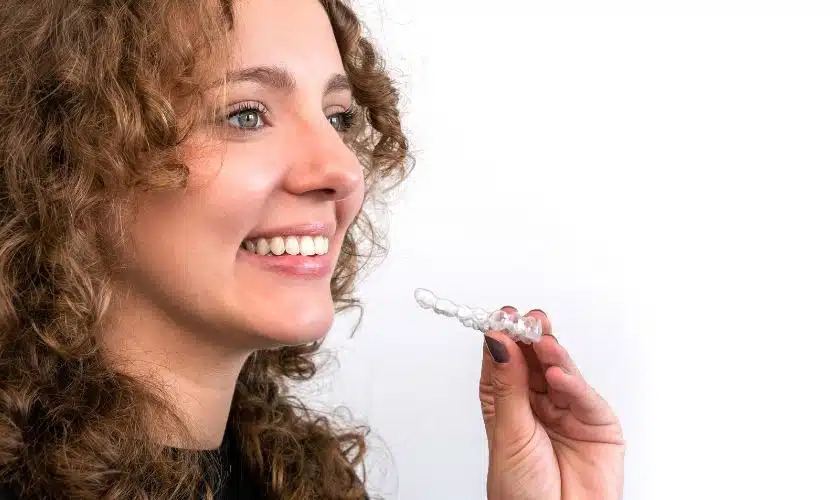
Invisalign has revolutionised the world of orthodontics, offering a virtually invisible solution to straighten teeth without the need for traditional metal braces. As an Invisalign provider in London, we understand the importance of not only achieving a beautifully aligned smile but also maintaining optimal oral health throughout the treatment process.
In this comprehensive guide, we will explore the key aspects of Invisalign treatment, from preparation and daily care to post-treatment maintenance, ensuring you have all the information you need to embark on your Invisalign journey with confidence.
What is Invisalign?
Invisalign is a revolutionary approach to straightening teeth, utilising a series of custom-made, clear aligners that gradually shift your teeth into the desired position. Unlike traditional braces, which use metal brackets and wires, Invisalign aligners are made of a smooth, comfortable, and virtually invisible plastic that you wear over your teeth.
How Invisalign Works
The process begins with a consultation with an Invisalign-trained dentist or orthodontist, who will develop a custom treatment plan for you. Using 3D imaging technology, they will map out the exact movements of your teeth and create a series of aligners tailored to your unique needs. Each aligner is worn for about two weeks before moving on to the next in the series, gradually guiding your teeth into their proper alignment. The duration of treatment varies depending on the complexity of the case but typically ranges from 12 to 18 months.
Benefits of Invisalign Over Traditional Braces
- Aesthetics: One of the most appealing aspects of Invisalign is its nearly invisible appearance. The clear aligners allow you to straighten your teeth without the noticeable metal brackets and wires of traditional braces, making it a popular choice for adults and teens who are self-conscious about their appearance.
- Comfort: Invisalign aligners are made of smooth, flexible plastic, which reduces the irritation and discomfort often associated with the sharp edges of metal braces.
- Convenience: The aligners are removable, allowing you to eat, brush, and floss with ease. This makes it easier to maintain good oral hygiene throughout your treatment.
- Predictability: Using advanced technology, Invisalign provides a clear and predictable treatment plan, allowing you to see how your teeth will look after treatment even before you start.
- Fewer Office Visits: With Invisalign, you’ll typically spend less time in the orthodontist’s office for adjustments, as you’ll receive several sets of aligners at each visit to change at home.
Before You Begin: Preparing for Invisalign
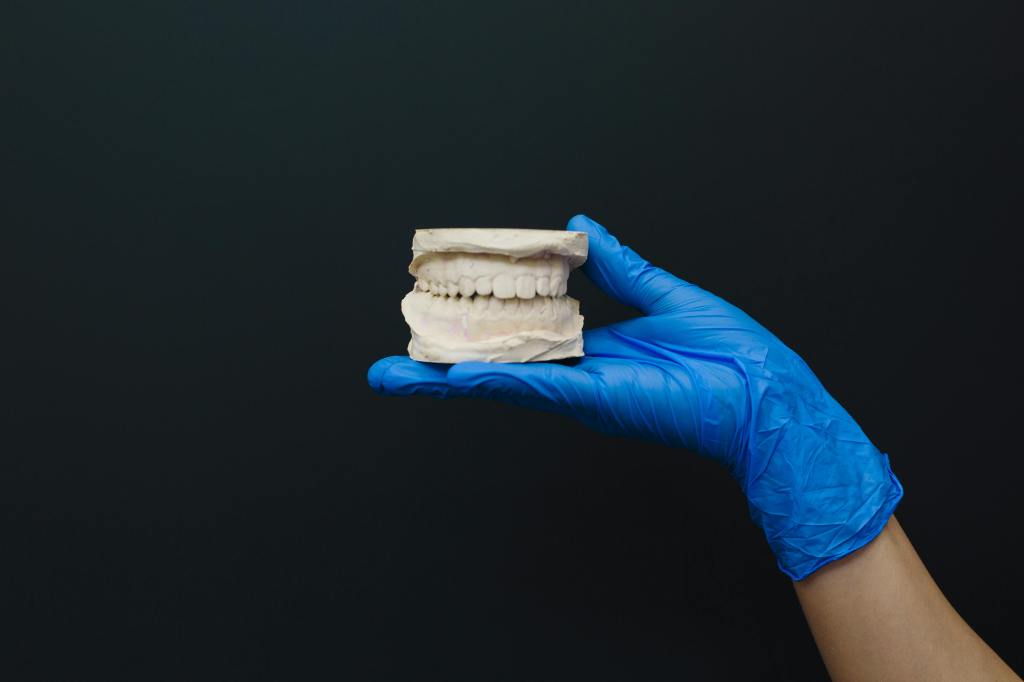
Embarking on your Invisalign journey is an exciting step towards achieving a beautiful, straight smile. However, before you start, it’s crucial to ensure that your teeth and gums are in optimal condition. Here’s how to prepare for your Invisalign treatment:
Importance of a Dental Check-up
Before starting Invisalign, a comprehensive dental check-up is essential. This check-up allows your dentist to assess the overall health of your teeth and gums. Any signs of decay, gum disease, or other oral health issues need to be addressed before beginning treatment. A healthy foundation is key to the success of your Invisalign journey, as it ensures that your teeth can move safely and effectively into their new positions.
Addressing Existing Dental Issues
If your dentist identifies any problems during your check-up, such as cavities, tooth decay, or gum disease, these issues must be treated before you start wearing your aligners. Untreated dental problems can worsen during orthodontic treatment and may lead to complications or delays in your Invisalign progress. It’s also important to remove any existing dental appliances, like bridges or crowns, that might interfere with the fit of your aligners.
Setting Expectations for Oral Hygiene
Maintaining excellent oral hygiene is crucial throughout your Invisalign treatment. Your dentist will provide guidance on how to properly care for your teeth and aligners. This includes brushing and flossing after every meal to prevent food particles from getting trapped between your teeth and aligners, which can lead to plaque buildup and tooth decay. You’ll also need to clean your aligners regularly to keep them clear and odor-free. Developing good oral hygiene habits before starting Invisalign will make it easier to maintain them throughout your treatment.
Daily Oral Hygiene Regimen with Invisalign
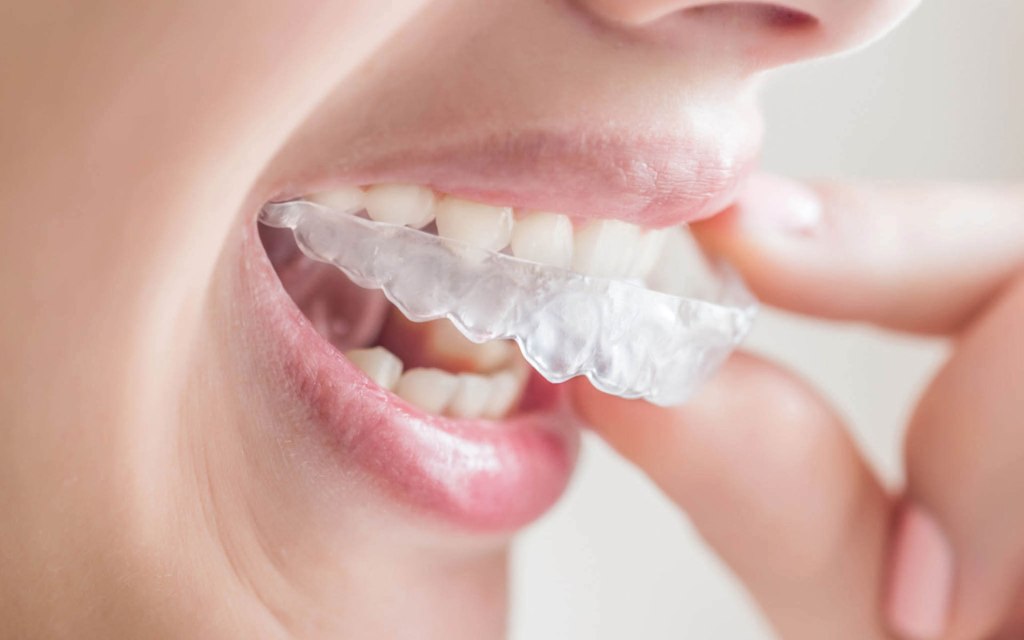
Maintaining a diligent oral hygiene routine is vital during your Invisalign treatment to ensure the health of your teeth and gums and the success of your orthodontic journey. Here are some tips to keep your smile bright and healthy:
Brushing Techniques Tailored for Invisalign
- Before and After Wearing Aligners: Always brush your teeth before inserting your aligners and after removing them. This prevents trapping food particles and bacteria between your teeth and the aligners.
- Soft-Bristled Toothbrush: Use a soft-bristled toothbrush to avoid scratching the aligners. Scratches can make them more visible and less comfortable to wear.
- Gentle, Circular Motions: Brush gently in circular motions to effectively clean your teeth and gum line without damaging your aligners or irritating your gums.
- Cleaning Aligners: Use a soft toothbrush and mild soap or a denture cleaner to brush your aligners. Avoid using toothpaste on the aligners, as it can be abrasive and cause them to become dull and more noticeable.
The Role of Flossing and Suitable Products
- Daily Flossing: Flossing is essential to remove plaque and food particles from between your teeth, where a toothbrush can’t reach. Make sure to floss at least once a day, preferably before bedtime.
- Flossing Tools: If you find traditional floss challenging to use, consider using floss picks, interdental brushes, or a water flosser. These tools can make flossing easier and more efficient, especially with the added presence of aligners.
Rinsing Routines and Recommended Products
- Rinsing After Meals: Rinse your mouth with water after every meal or snack to remove food particles and prevent staining of your aligners.
- Antibacterial Mouthwash: Incorporate an antibacterial mouthwash into your daily routine to help reduce bacteria and plaque buildup. Choose a mouthwash without alcohol to avoid dryness in your mouth.
- Cleaning Aligners: In addition to brushing, soak your aligners in a denture cleaner or Invisalign cleaning crystals to keep them fresh and sanitised.
By following these daily oral hygiene practices, you can maintain a healthy smile and ensure the effectiveness of your Invisalign treatment.
Caring for Your Invisalign Aligners
Proper care of your Invisalign aligners is essential for maintaining their clarity, preventing odors, and ensuring their effectiveness in straightening your teeth. Here are some tips for keeping your aligners in top condition:
How to Clean and Maintain Aligners
- Daily Cleaning: Clean your aligners every day to remove plaque and bacteria. Use a soft-bristled toothbrush and a clear, gentle soap or a specialised aligner cleaning solution. Avoid using toothpaste, as it can be abrasive and cause scratches.
- Rinse Before Wearing: Always rinse your aligners with water before putting them back in your mouth to remove any debris or cleaning solution residue.
- Soak Regularly: Soak your aligners in a denture cleaner or Invisalign cleaning crystals to keep them fresh and sanitised. Follow the instructions on the cleaning product for the best results.
Common Mistakes to Avoid
- Avoid Hot Water: Never use hot water to rinse or clean your aligners, as it can warp the plastic and affect their fit.
- Don’t Eat or Drink With Aligners In: Remove your aligners before eating or drinking anything other than water to prevent staining and damage.
- Don’t Use Colored Soaps: Avoid using colored or scented soaps to clean your aligners, as they can leave residue or cause discoloration.
Storing Your Aligners Safely
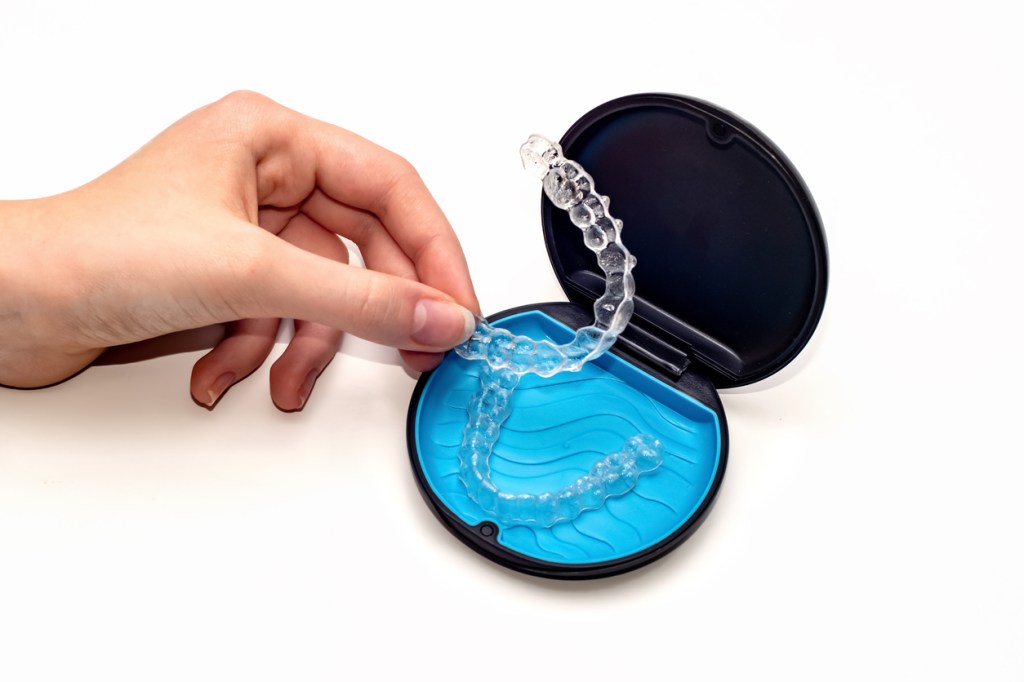
- Use the Case: Always store your aligners in the case provided by your orthodontist when you’re not wearing them. This protects them from dirt, damage, and loss.
- Keep Away from Heat: Store your aligner case in a cool, dry place away from direct sunlight and heat sources to prevent warping.
- Avoid Pets and Children: Keep your aligners out of reach of pets and children, as they can be easily damaged or lost.
By following these care instructions, you can ensure that your Invisalign aligners remain clean, clear, and effective throughout your treatment.
Eating Habits and Invisalign
Invisalign offers the convenience of being able to eat and drink without the restrictions often associated with traditional braces. However, there are still some guidelines to follow to ensure your aligners stay in good condition and your treatment progresses smoothly.
Foods to Avoid to Prevent Damage
While you can remove your aligners to eat, it’s important to be mindful of certain foods that can impact your oral health and potentially affect your treatment:
- Hard Foods: Avoid biting into hard foods like apples, carrots, or hard candies, as they can cause damage to your teeth and aligners.
- Sticky Foods: Sticky foods like chewing gum or caramel can adhere to your teeth, increasing the risk of cavities and making it difficult to clean your aligners.
- Highly Pigmented Foods and Drinks: Foods and beverages with strong colors, such as coffee, red wine, and berries, can stain your aligners. It’s best to remove your aligners before consuming these items.
Tips for Eating and Drinking with Aligners
- Remove Aligners: Always remove your aligners before eating or drinking anything other than water. This prevents damage and staining.
- Rinse Your Mouth: After eating, rinse your mouth with water to remove any food particles before putting your aligners back in.
- Brush and Floss: If possible, brush and floss your teeth after meals and before reinserting your aligners to maintain good oral hygiene.
Strategies for Dining Out
- Carry a Case: Bring your aligner case with you when dining out so you have a safe place to store your aligners while eating.
- Excuse Yourself: If you need to remove your aligners at the table, excuse yourself and do so discreetly in the restroom.
- Plan Ahead: If you know you’ll be dining out, try to align your meal times with your scheduled aligner removal times to minimise the time your aligners are out.
By following these eating habits and tips, you can enjoy a variety of foods while keeping your Invisalign treatment on track and your aligners in great condition.
Dealing with Discomfort and Other Issues

It’s common to experience some discomfort and minor issues during your Invisalign treatment. Here’s how to manage these challenges effectively:
Managing Initial Discomfort
- Cold Compress: Apply a cold compress to the outside of your mouth to reduce swelling and discomfort.
- Pain Relievers: Over-the-counter pain relievers like ibuprofen or acetaminophen can help alleviate any pain. Always follow the recommended dosage instructions.
- Soft Foods: Stick to soft foods during the first few days of each new aligner set to minimise discomfort while chewing.
Handling Unexpected Oral Health Issues
- Gum Irritation: If your aligners are irritating your gums, try using dental wax on the edges of the aligners or gently filing any rough spots with a nail file.
- Loose Aligners: If your aligners feel loose, contact your dentist. They may need to adjust the fit or move you to the next set of aligners.
- Lost or Broken Aligners: If you lose or break an aligner, contact your dentist immediately for a replacement. In the meantime, wear your previous set of aligners to maintain your progress.
When to Consult Your Dentist
- Persistent Pain: If you experience ongoing pain or discomfort that doesn’t improve with home remedies, it’s important to consult your dentist.
- Oral Health Changes: Any changes in your oral health, such as new cavities, gum disease, or unexpected tooth movements, should be addressed by your dentist.
- Aligner Issues: If you encounter any problems with the fit or condition of your aligners, schedule an appointment with your dentist for an evaluation.
By being proactive and communicating with your dentist, you can effectively manage any discomfort or issues that arise during your Invisalign treatment, ensuring a smoother and more comfortable experience.
Routine Dental Visits During Treatment
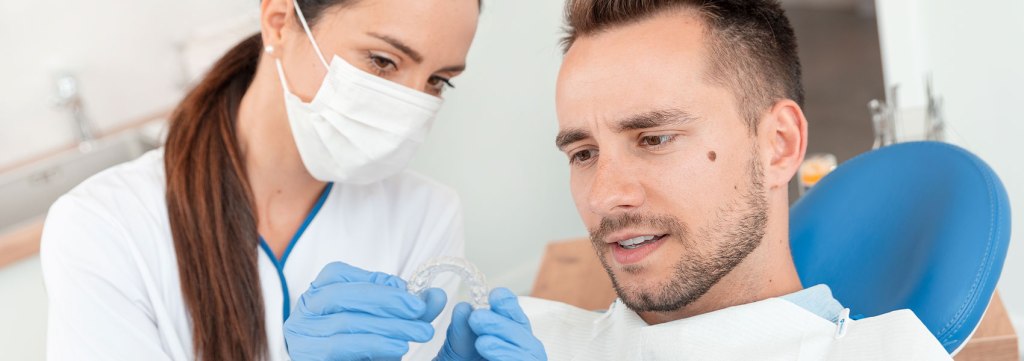
Maintaining regular dental visits during your Invisalign treatment is crucial for ensuring the health of your teeth and gums and the success of your orthodontic journey. Here’s what you need to know about these check-ups:
The Importance of Regular Check-ups
- Monitoring Progress: Regular visits allow your dentist or orthodontist to monitor the progress of your treatment and ensure your teeth are moving as planned.
- Maintaining Oral Health: These check-ups are also an opportunity to assess your overall oral health, identify any potential issues early, and provide necessary treatments or adjustments.
- Staying on Track: Consistent appointments help keep your treatment on schedule and can prevent any delays or complications.
What to Expect During These Visits
- Aligner Fit: Your dentist will check the fit of your current set of aligners to ensure they are sitting correctly and comfortably.
- Teeth Movement: They will assess the movement of your teeth to determine if they are shifting according to the treatment plan.
- Oral Health Assessment: A general examination of your teeth and gums will be conducted to ensure there are no signs of decay, gum disease, or other issues.
- Cleaning: A professional cleaning may be performed to remove any plaque or tartar buildup and to keep your oral hygiene in top condition.
Adjustments and Progress Monitoring
- Aligner Adjustments: If necessary, your dentist may make adjustments to your aligners or provide you with a new set to continue your treatment.
- Progress Tracking: Your dentist will track the progress of your treatment and make any necessary modifications to your treatment plan.
- Guidance and Support: These visits are also an opportunity for you to ask questions, address concerns, and receive guidance on how to optimise your Invisalign experience.
Regular dental visits during your Invisalign treatment are essential for ensuring that your treatment is progressing as planned and that your oral health is maintained. By keeping up with these appointments, you can achieve the best possible results from your Invisalign journey.
Lifestyle Adjustments for Optimal Results
Invisalign treatment requires some adjustments to your daily routine, but with the right approach, you can seamlessly integrate it into your lifestyle and achieve optimal results. Here are some tips for managing various aspects of your life during treatment:
Managing Social and Professional Situations
• Communication: Invisalign aligners are nearly invisible, but you may still feel self-conscious speaking or smiling in social or professional settings. Practice speaking with your aligners in to build confidence.
• Eating and Drinking: Plan ahead for meals and snacks, especially when you’re out. Remove your aligners discreetly before eating and store them safely in their case.
• Maintaining Hygiene: Carry a travel-size oral hygiene kit with you to brush and rinse after meals when you’re away from home.
Balancing Invisalign Treatment with Daily Life
• Wear Time: Aim to wear your aligners for the recommended 20-22 hours a day. Develop a routine for removing, cleaning, and reinserting your aligners to ensure you stick to this schedule.
• Scheduling Appointments: Coordinate your dental visits with your work or school schedule to minimise disruptions to your daily routine.
• Activity Adjustments: If you play contact sports or musical instruments, discuss with your dentist how to manage these activities with your aligners.
Tips for Staying Motivated
• Track Your Progress: Take photos of your smile at different stages of treatment to visually track your progress and stay motivated.
• Set Reminders: Use alarms or smartphone reminders to remind you to wear your aligners and to switch to the next set on time.
• Celebrate Milestones: Acknowledge and celebrate each step of your journey, whether it’s completing a set of aligners or noticing improvements in your smile.
By making these lifestyle adjustments and staying committed to your treatment plan, you can achieve the best results from your Invisalign treatment and enjoy a straighter, healthier smile.
Post-Invisalign Care
Congratulations on completing your Invisalign treatment! Now that you’ve achieved your desired smile, it’s important to maintain the results and ensure long-term oral health. Here’s what you need to know about post-Invisalign care:
Transitioning to Retainers
- Wearing Retainers: After completing your Invisalign treatment, you’ll likely need to wear retainers to maintain your new tooth alignment. Your dentist will provide you with a custom-made retainer and instructions on how often to wear it.
- Retention Period: Initially, you may need to wear your retainers full-time, similar to your Invisalign aligners. Over time, your dentist may advise reducing the wear to only at night.
- Long-Term Use: To prevent your teeth from shifting back to their original positions, you may need to wear your retainers indefinitely, though the frequency may decrease over time.
Ensuring Long-Term Oral Health
- Regular Check-ups: Continue to visit your dentist regularly for check-ups and cleanings to maintain your oral health and catch any potential issues early.
- Monitoring Teeth Movement: Keep an eye on the alignment of your teeth. If you notice any shifting, consult your dentist to address the issue promptly.
- Addressing Wear and Tear: If your retainers become worn or damaged, have them replaced to ensure they continue to effectively maintain your tooth alignment.
Continuing Good Oral Hygiene Practices
- Brushing and Flossing: Maintain a thorough oral hygiene routine, including brushing twice a day and flossing daily, to keep your teeth and gums healthy.
- Cleaning Retainers: Clean your retainers regularly to prevent bacteria buildup. Follow your dentist’s instructions for the best cleaning methods.
- Healthy Habits: Avoid habits that can harm your teeth, such as using them as tools, chewing on hard objects, or consuming excessive sugary or acidic foods and drinks.
By following these post-Invisalign care tips, you can enjoy your beautiful new smile for years to come and ensure the long-term health of your teeth and gums.
Conclusion
Embarking on an Invisalign journey can be a transformative experience, offering a discreet and comfortable way to achieve a straighter smile. As an Invisalign provider in London, we understand the importance of maintaining optimal oral health throughout your treatment and beyond. By following the guidelines for daily oral hygiene, caring for your aligners, managing your eating habits, dealing with discomfort, keeping up with routine dental visits, making necessary lifestyle adjustments, and adhering to post-treatment care, you can ensure the best possible results from your Invisalign treatment.
Remember, the key to a successful Invisalign experience is not just the advanced technology but also your commitment to following your dentist’s advice and maintaining good oral hygiene practices. If you’re considering Invisalign or looking for a trusted Invisalign provider in London, we’re here to guide you every step of the way towards achieving the beautiful, healthy smile you’ve always desired.






 Health Care Solutions
Leave a comment