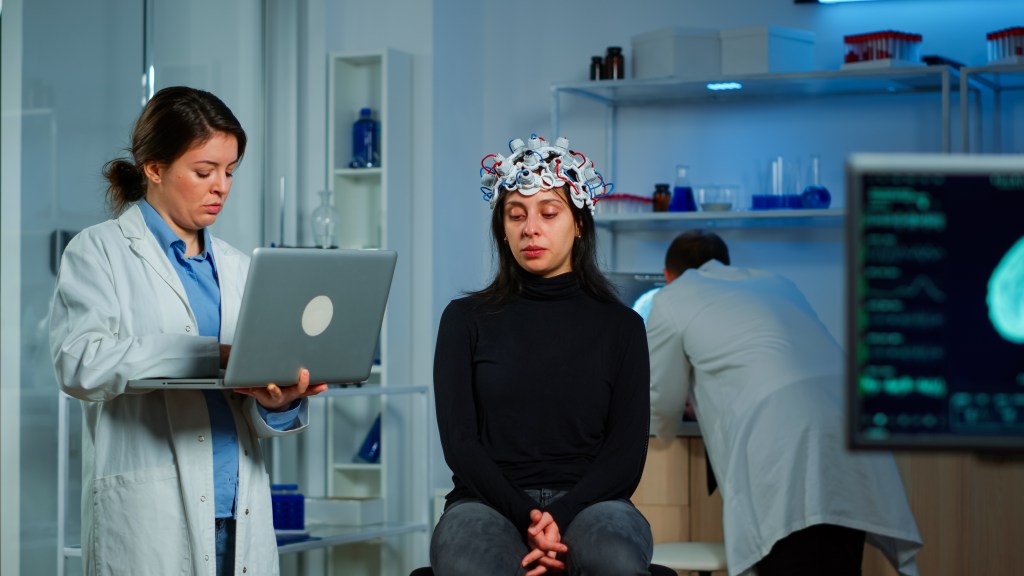
In London, technology has upgraded mental health services, revolutionising optimal care delivery. With an ever-increasing demand, digital tools have become necessary to improve access and efficiency in offering new-age mental health solutions. Read this blog to learn about the impact of technology on mental health services in London and embark on a disease-free lifestyle!
Digital Shift in Mental Health Care: Explained
The use of technology in mental health care in London is achieving new horizons. This facilitates services becoming more accessible in a much-personalised way. Mobile apps, online consultation sessions, wearable devices, etc., are some ways this is done. Undoubtedly, such an approach helps address public health concerns by improving optimal care therapy and engaging the patients. This promotes continuity of care.
Digital Tools That Help in Mental Health Care
- Mobile Apps: These are essential for self-management of mental state. Moreover, they offer facilities like mood tracking, meditation, and therapy exercises.
- Online Therapy Platforms: These facilitate remote patient counselling, helping to overcome the barriers related to frequent clinic visits.
- Wearable Devices: These help track physiological data about metabolic conditions, such as heart rate. The goal is to determine mental stress so that you can better manage your mental health.
Key Technological Features Incorporated
- Real-Time Monitoring: Sophisticated tools provide real-time feedback, facilitating users’ proactive management of their mental health.
- AI in Mental Health: Artificial Intelligence has made a significant breakthrough in diagnostic and treatment procedures. This offers customised health plans based on the predictive analyses it delivers.
Confidentiality and Security in Digital Tools
Data privacy is essential for users to gain trust in mental health applications. Most of the new-age apps that have appeared in the market offer full confidentiality through encryption and anonymisation.
The Role of Technology on Accessibility
- Reaching Deeper Sections Of Populations: Apps equipped with multilingual facilities and culturally sensitive content can extend their services to a much greater section of communities.
- Support for Remote Patients and Homebound Individuals: Online platforms are now enabled with systems that facilitate continuity of care regardless of physical and geographical limits.
Effectiveness of Digital Interventions
Recent studies indicate that application-based medical interventions can considerably improve mental health outcomes. With its data-driven algorithms, such a modern approach supports conventional therapy.
What Are the Challenges Faced in Technology Integration
- The Digital Divide: Access to modern technology often remains non-uniform, which can create many potential challenges in delivering equitable service distribution.
- Regulatory and Reliability Concerns: Rigorous testing methods and clear regulatory guidelines are always needed to promote efficiency and maintain the safety of digital interventions.
Adoption of Digital Tools in a Medical Setting
- Integration in Clinics and Hospitals: Digital tools are increasingly becoming popular and have already been integrated into healthcare systems. Undoubtedly, this has improved treatment efficiency and patient satisfaction.
- Tech and Healthcare Collaborations: Partnerships are essential to developing new technologies that can cater to respective patient needs.
Patient and Provider Perspectives
Recent feedback has shown a fine mix of satisfaction and potential concerns. Many successful outcomes have been facilitated, as well as worries regarding the impersonal nature of digital communications. However, the good news is that emerging VR and AR have opened up new therapeutic possibilities through simulated environments. Additionally, blockchain data management systems promise an enhanced version of a robust framework for data handling.
Conclusion
Several mental health services in London are available that have adopted sophisticated technology to reshape the traditional scenario. If you need urgent help, feel free to contact any of them.






 Health Care Solutions
Leave a comment